
Dartboards
Every board we sell, from first throw to tour standard
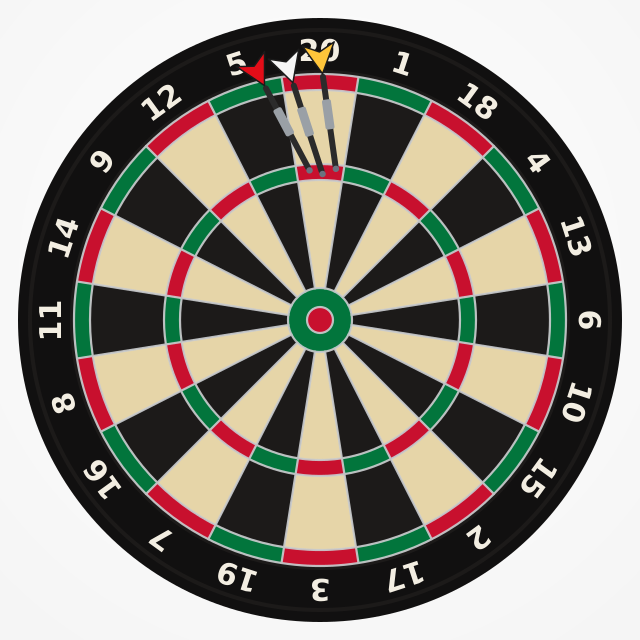
Picking a dartboard is the one decision that shapes every game you play on it. Whether you are hanging your first board in the garage, setting up somewhere the neighbours won't hear it, or grinding practice for a league season, the board under the darts matters more than the darts themselves. Below you'll find bristle, electronic and magnetic boards, full starter bundles and the surrounds, lights and stands that go around them.
Filters
Collections
Price range
Board type
Skill level
Included
30 products
30 products
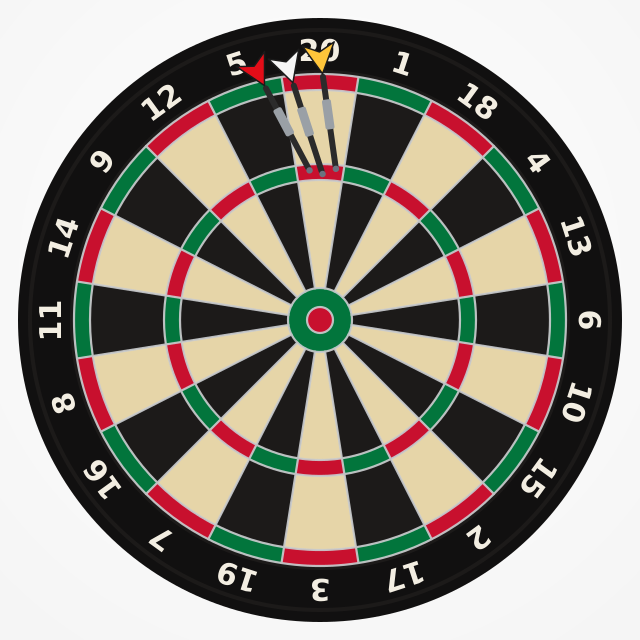
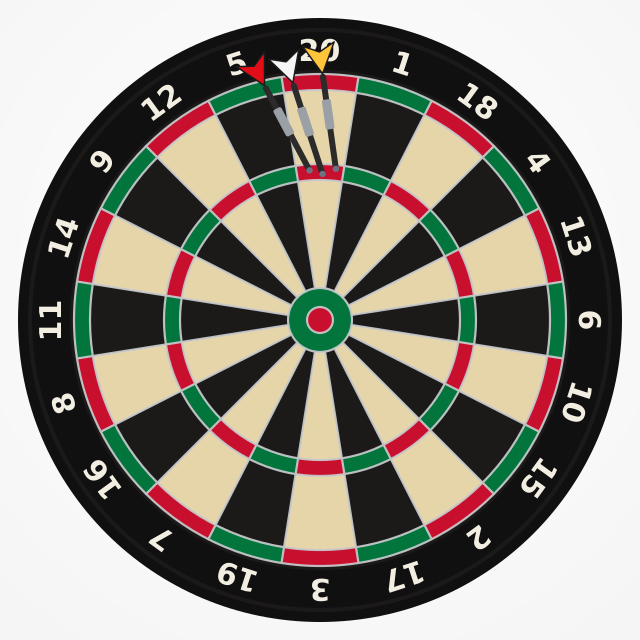
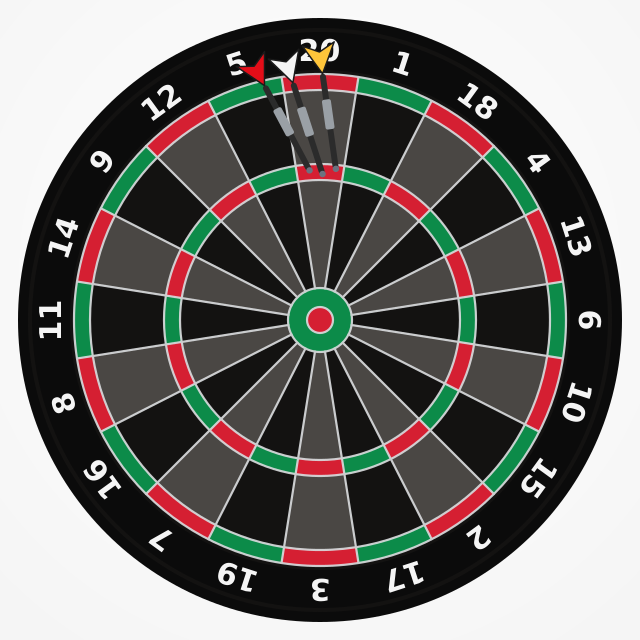
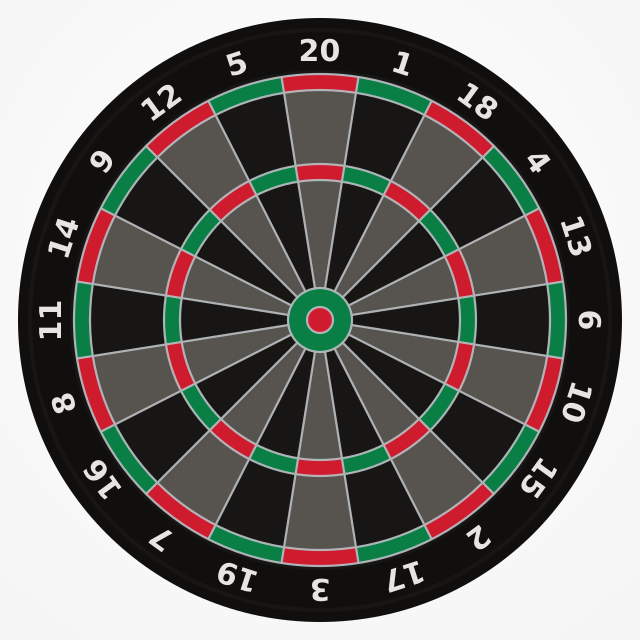
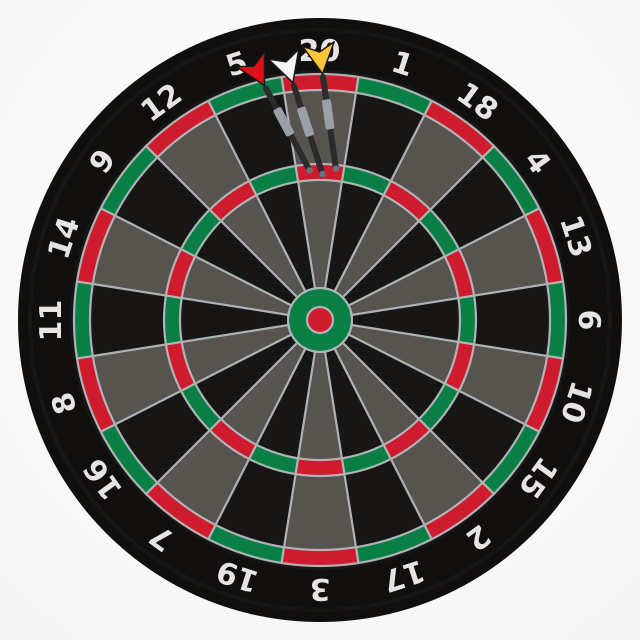
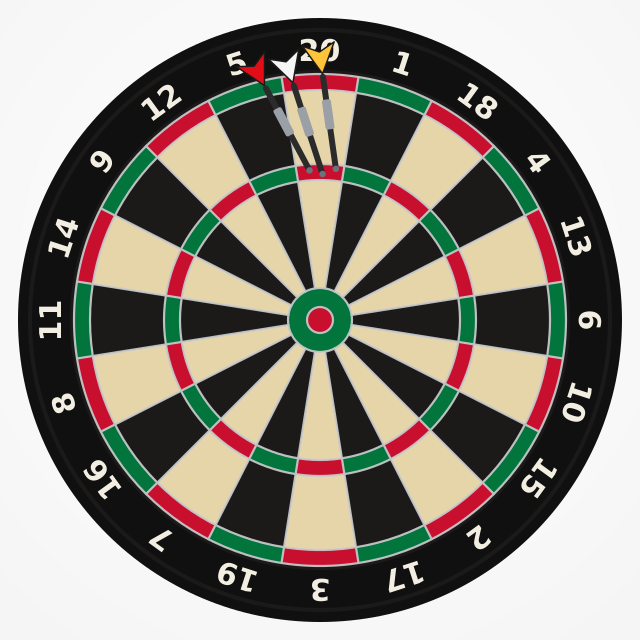
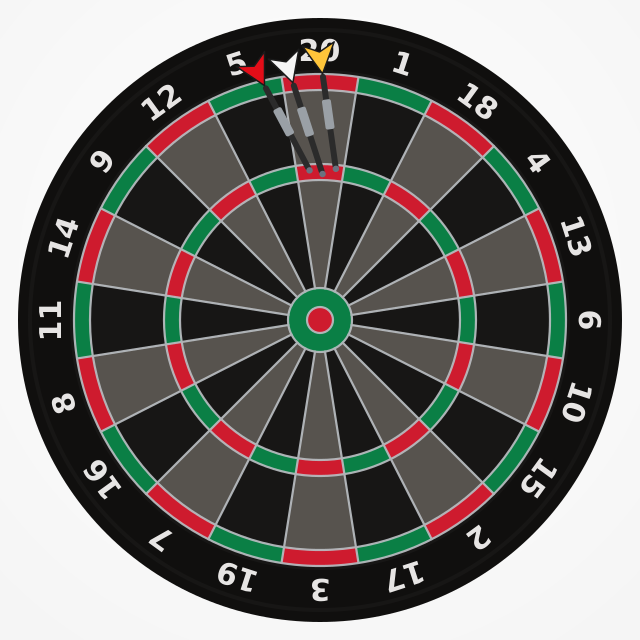
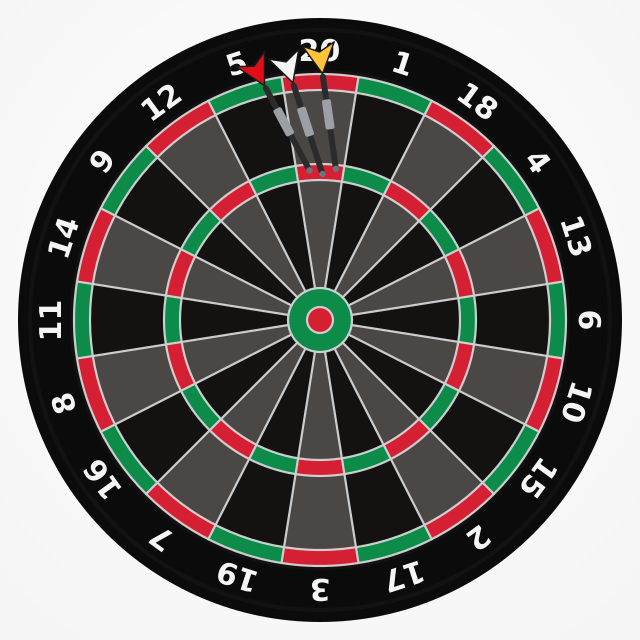
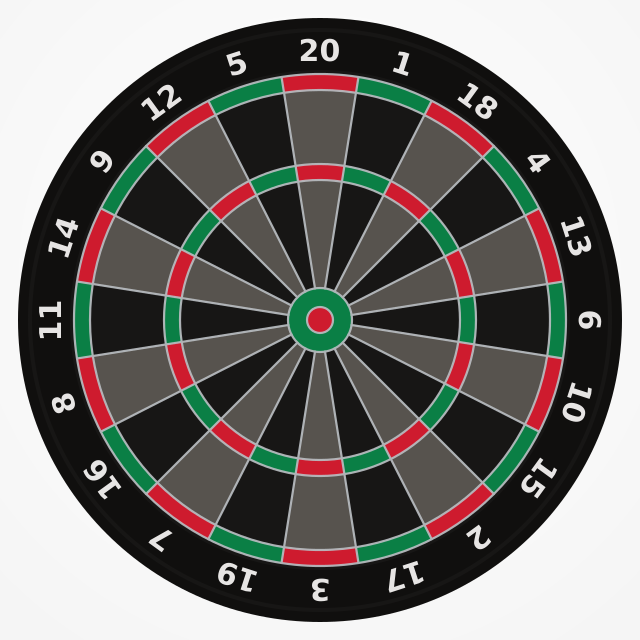
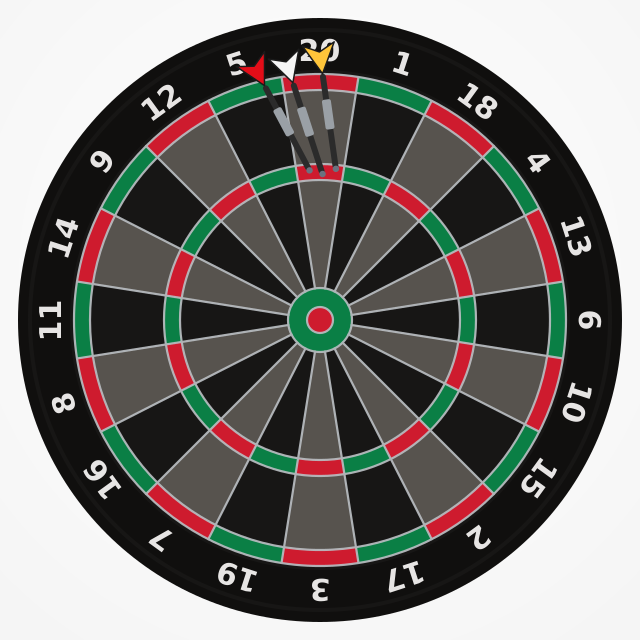
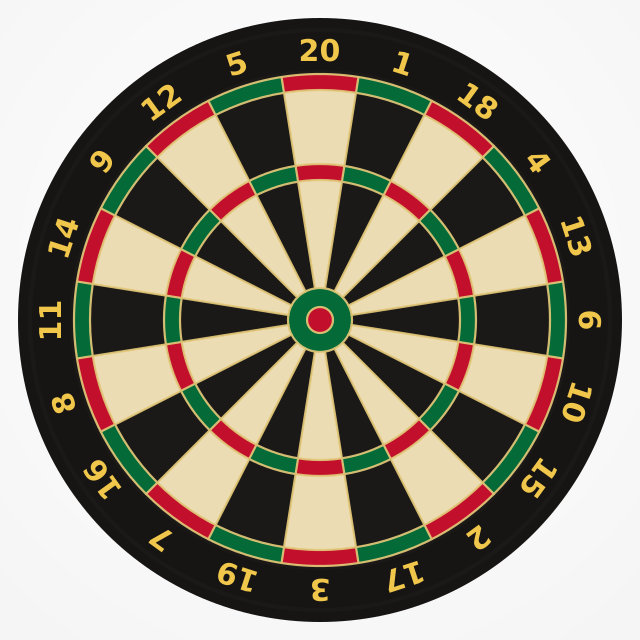
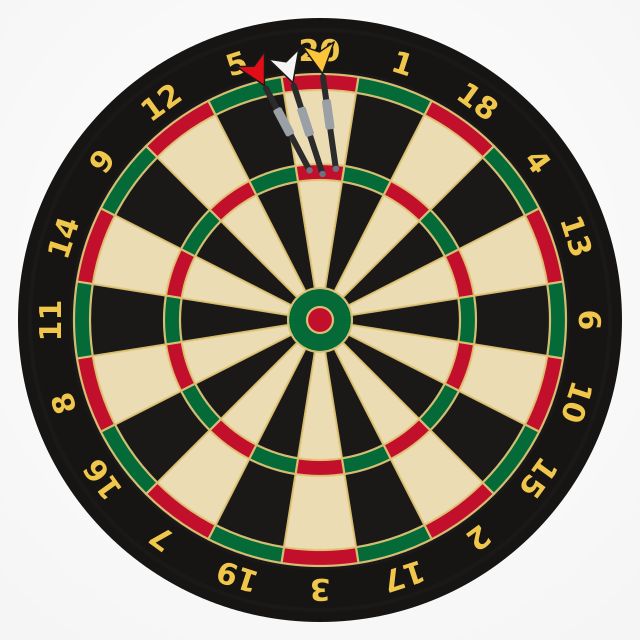
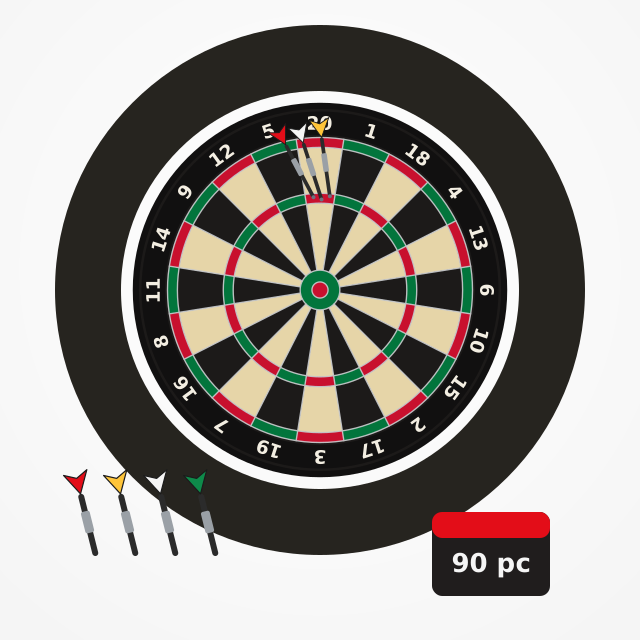
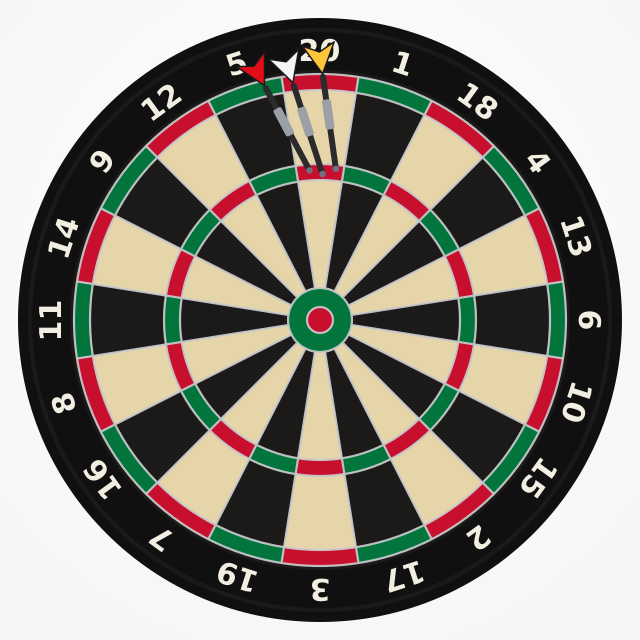
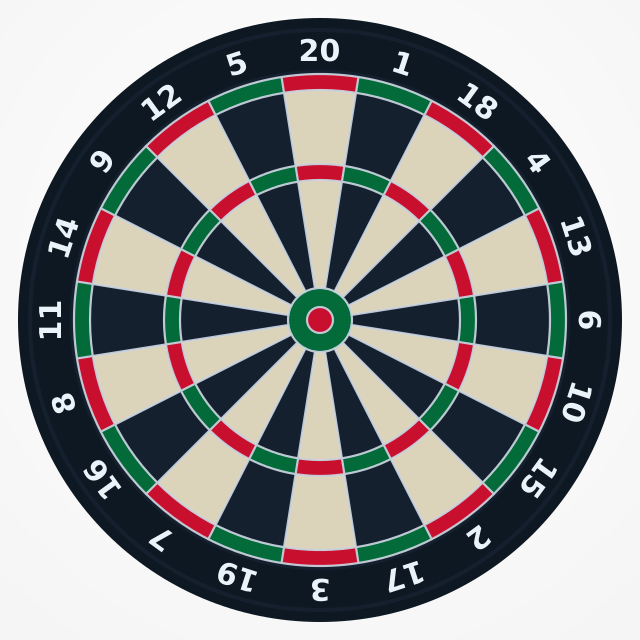
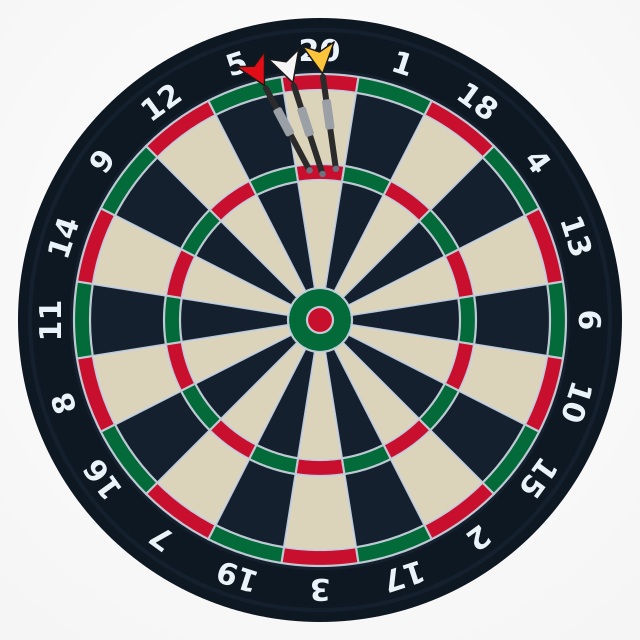
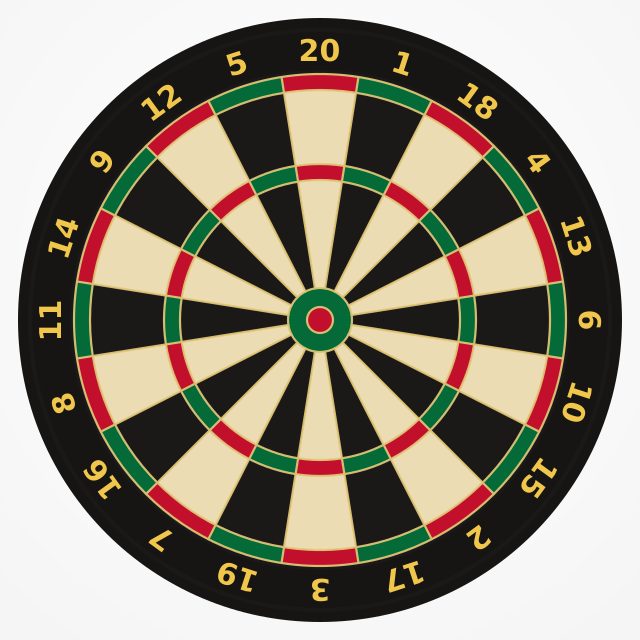
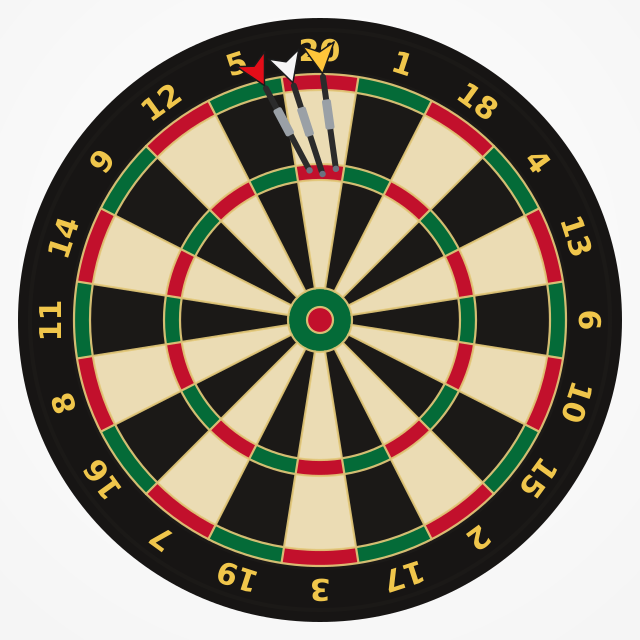
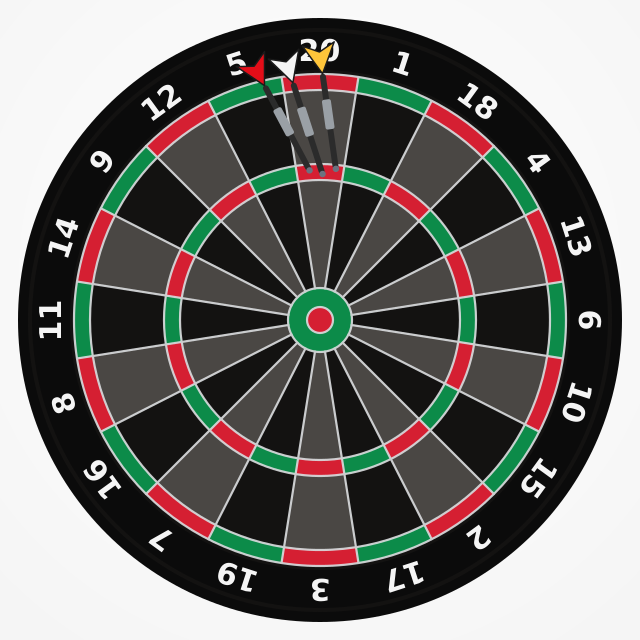
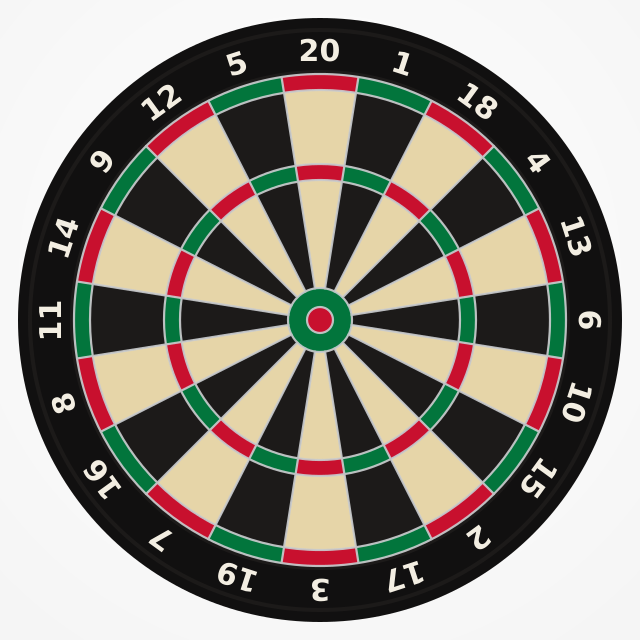
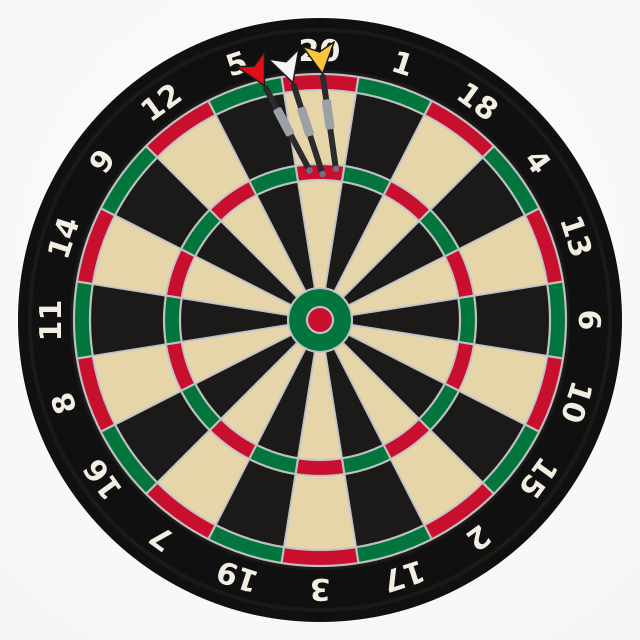
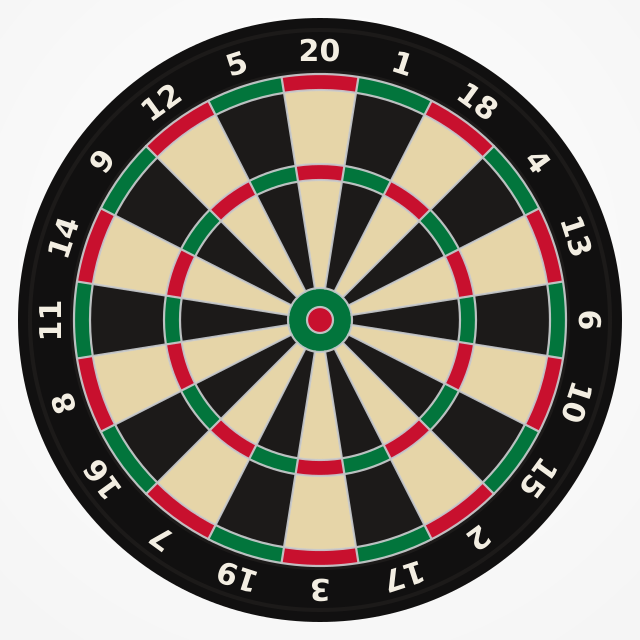
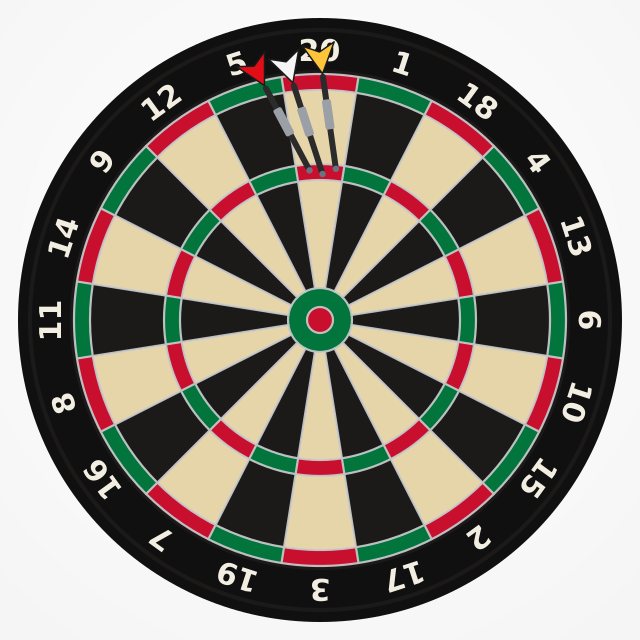
Dartboards: finding the right board for beginners, kids and serious players
There is no single best dartboard — there is only the best board for how you actually play. A family that plays twice a month wants something different from a player throwing 300 darts an evening. This guide walks through the three kinds of board, what separates a cheap one from a good one, and how to set yours up so it lasts.
The three types of dartboard
1. Bristle boards — the real thing
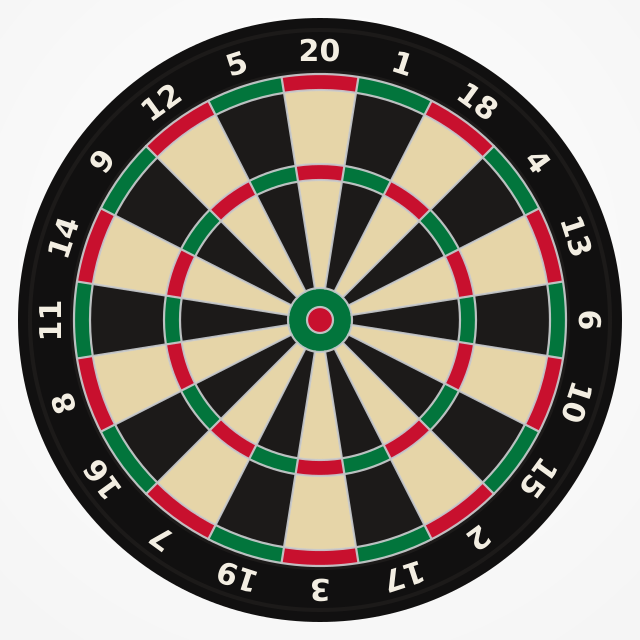
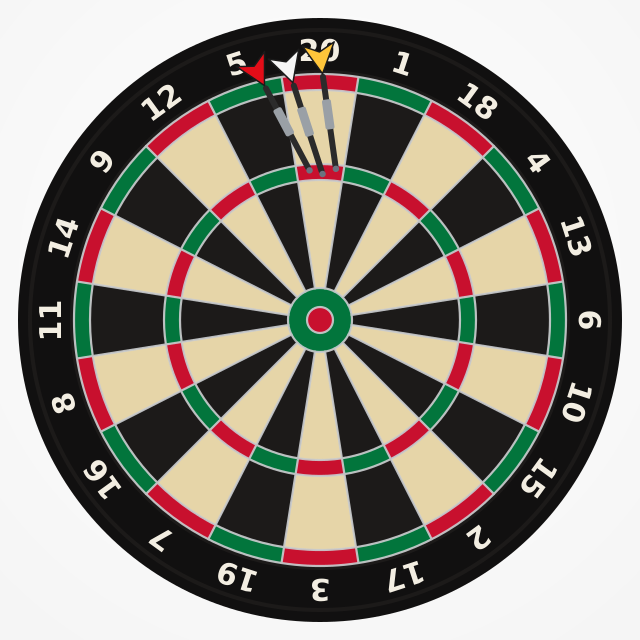
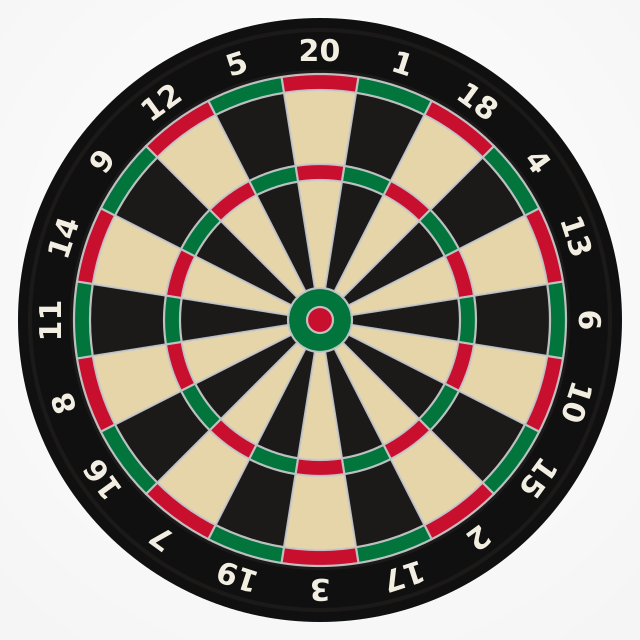
Bristle boards are made from tightly compressed sisal, a plant fibre packed into a steel ring under enormous pressure. Steel-tip darts push the fibres apart rather than cutting them, so the holes close up behind the dart and the surface heals itself. This is what every professional match is played on, and it is what you want if you are trying to get better.
- Self-healing surface that survives years of regular practice
- The same feel and rebound as the boards used in televised tournaments
- Thin, staple-free wiring on better boards means noticeably fewer bounce-outs
- Larger effective scoring areas because the wire takes up less of the bed
2. Electronic (soft tip) boards — scoring done for you
Electronic boards use plastic-tipped darts that land in a grid of small holes, and the board counts the score itself. They come loaded with game modes and handicap settings, which makes them genuinely good for mixed-ability groups — a beginner can play a decent player and still have a game.
- Automatic scoring, so nobody has to do the mental arithmetic
- Dozens of built-in games and practice routines
- Soft tips are far safer around children and kinder to plaster
- Handicap modes let players of different standards compete properly
3. Magnetic boards — for younger players
Magnetic boards swap points for magnets. There is nothing sharp anywhere on the set, nothing to damage a wall, and nothing to worry about if a throw goes badly wrong. They are a first board rather than a forever board, but they teach aim and scoring perfectly well.
- No points at all — safe for young children
- Won't mark walls, doors or furniture
- Light enough to hang on a hook and take down after a game
Matching the board to the player
| Player | What to buy | Why |
|---|---|---|
| Children | Magnetic, or electronic with soft tips | Nothing sharp, no damage to the room, and scoring they can follow |
| Occasional / social | Entry-level bristle with round wire | Authentic feel at a sensible price; plenty for a few games a week |
| Regular practice | Mid-range bristle, staple-free bullseye | Holds up to hundreds of darts a session without wearing flat |
| League and tournament | Premium bristle, thin bladed wire | Tournament feel, minimal bounce-outs, and it stays true for years |
Complete sets — everything in one box
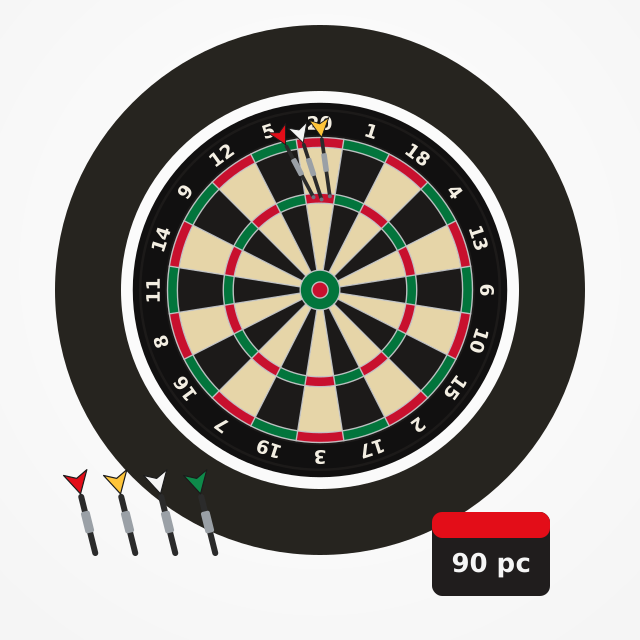
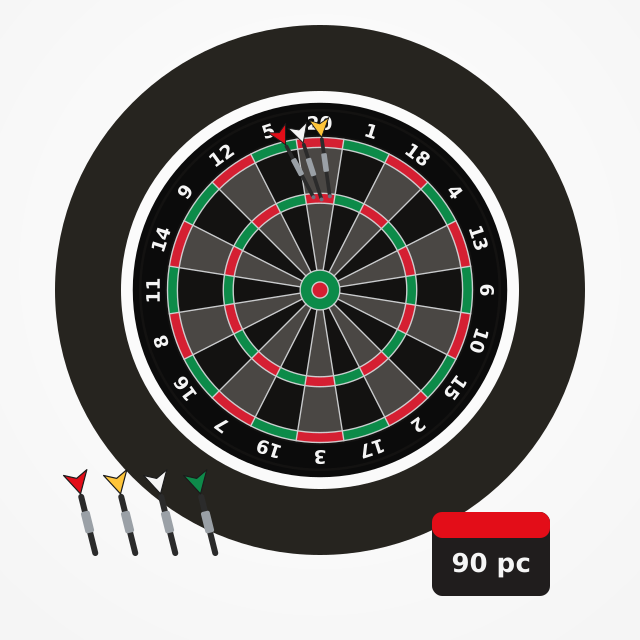
If you are starting from nothing, a bundle usually works out cheaper and saves you discovering halfway through setup that you have no mounting bracket. A typical set pairs a board with a surround, a bracket and fixings, one or two sets of darts and a handful of spare flights and stems.
Shop complete dartboard sets →
Hanging your board correctly
Get these two measurements right and everything else follows. They are the same in every league and every pub in the country.
- Bullseye height: 1.73 m (5 ft 8 in) from the floor to the centre of the bull
- Throwing distance: 2.37 m (7 ft 9¼ in) measured horizontally from the face of the board to the oche
- Diagonal check: from the bullseye to the back of the oche should measure 2.93 m (9 ft 7½ in)
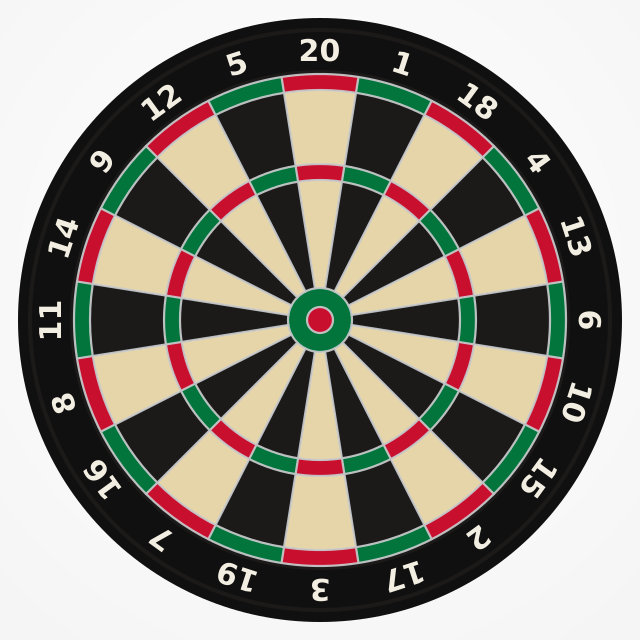
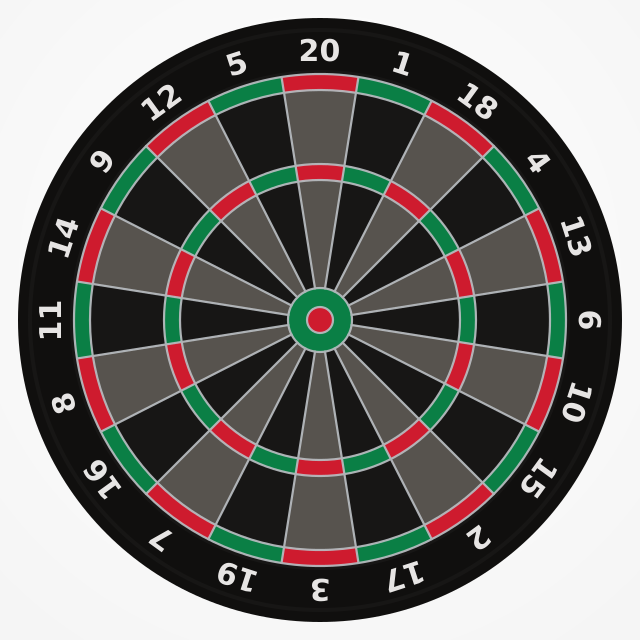
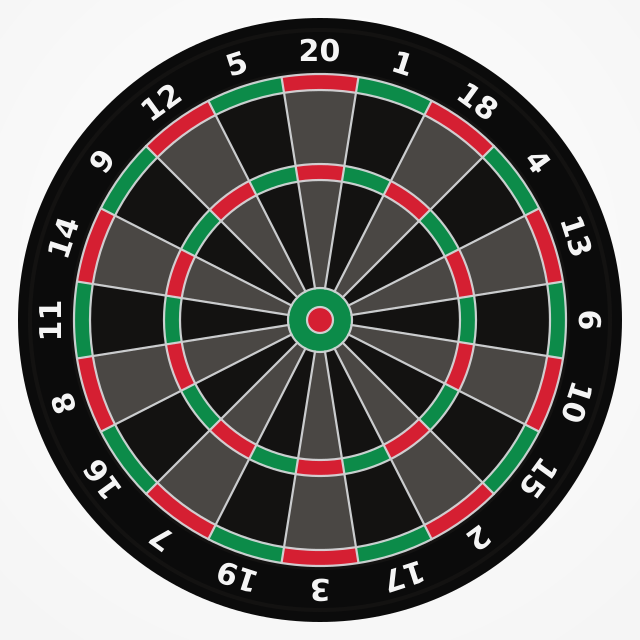
- Rotate the board so the 20 sits at the top, and fit a surround before you find out why people fit surrounds
Making a board last
A bristle board wears in the trebles long before anywhere else, because that is where the darts go. How long yours lasts comes down to three things:
- Rotate it. Move the board round every couple of weeks so the wear spreads across the whole face instead of chewing out the treble 20.
- Keep your points sharp but not needle-sharp. A blunt point tears fibre; an over-sharpened point splits it. A light dressing on a sharpening stone is all it needs.
- Keep it dry. Damp swells sisal and the board never quite recovers. Don't soak it, and don't hang it in an unheated shed over winter.
Looked after, a good bristle board will give you years. Played hard every night without rotating, the same board can look tired inside six months.
Why the wire makes the difference
The metal web across the face decides how many of your darts stay in. There are three broad standards, and the jump between them is obvious the first time you throw:
- Round wire held in with staples — cheapest, and the staples throw darts straight back out at you
- Thin wire, no staples — the wire sits flush into the sisal, so a dart that hits it tends to deflect into the bed rather than back out
- Bladed wire — knife-edged and razor thin, splitting the dart either side of the wire; this is the tournament standard
If you are choosing between two boards at a similar price, buy the one with better wire. It affects your score more than almost anything else you can spend the money on.
Frequently asked questions
Which dartboard is best for a complete beginner?
An entry-level bristle board. It gives you the authentic feel that everything else in darts is built around, it is cheap enough not to hurt if the hobby doesn't stick, and it will happily take a few games a week for years. Pair it with a surround and you will save your plaster too.
Which dartboards are safe for children?
Magnetic boards are the safest — there is no point on the dart at all. Electronic boards with soft tips are the next step up and add automatic scoring, which younger players tend to enjoy. Keep steel tips away from small children entirely.
What should an advanced player buy?
A premium bristle board with thin bladed wire and a staple-free bullseye. That combination gives you the largest usable scoring area and the fewest bounce-outs, and it is what you will be throwing at in any league or tournament.
How long does a dartboard last?
Anywhere from six months to several years, and the difference is mostly care rather than price. Rotate the board regularly, keep your points dressed rather than sharp, and keep it out of damp. A board that is never rotated wears out in the treble 20 long before the rest of it is finished.
Do I actually need a surround?
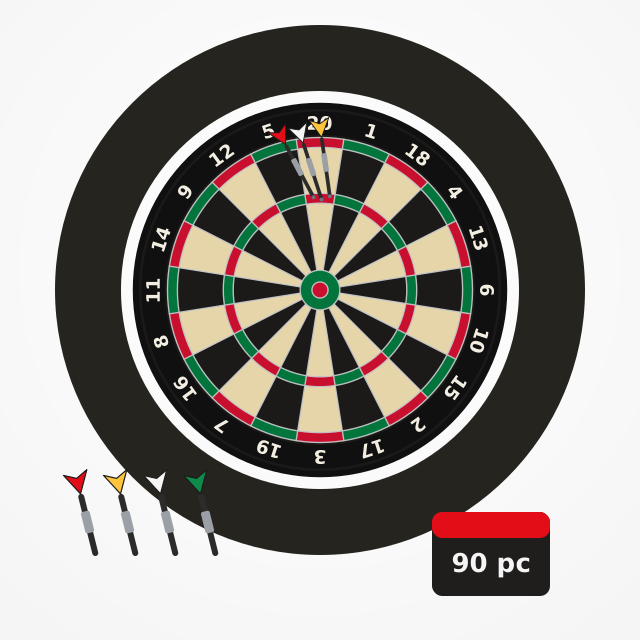
If the board is on a wall you care about, yes. Missed darts land in a ring around the board, and a foam surround catches them instead of your plaster. It also stops darts bouncing off the wall and onto the floor, which is how points get bent.
Can I set up a board without drilling into the wall?
Yes — a freestanding stand holds the board at the correct height, folds down after a game, and needs no fixings at all. It is the standard answer for rented homes, and it means you can take the board to a friend's house.
What is the correct height and throwing distance?
The bullseye sits 1.73 m (5 ft 8 in) above the floor, and the oche is 2.37 m (7 ft 9¼ in) back from the face of the board. As a check, the diagonal from the bullseye to the back of the oche should come to 2.93 m (9 ft 7½ in).


